

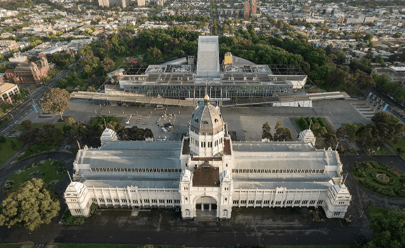
Devices at Museums Victoria
Museums Victoria was preparing to refresh an ageing Mac fleet of around 100 devices, some more than 10 years old. Over time, the fleet had grown without central oversight. Devices were unmanaged, the total number was unclear, and there was no consistent policy guiding who received one.
When staff were asked about their requirements, most requested high-spec devices. Without a structured way to assess whether that level of hardware was necessary, the organisation faced the risk of refreshing an oversized fleet at unnecessary cost. Cenitex was engaged to assess actual needs and provide a practical recommendation.
Why were support costs rising?
The fleet presented several challenges. Many devices were outdated, affecting performance for users who relied on them. At the same time, the environment lacked visibility, with no consistent management platform in place and limited insight into what was in use. Support effort was also high. Two staff members were spending about 30% of their time maintaining the Mac environment, despite it not being their primary role.
Underlying these issues was a broader problem with device allocation. Macs had routinely been issued to staff regardless of role, which meant ownership had gradually drifted away from operational need. As Les Schneider, Head of Technology Strategy and Delivery at Museums Victoria, put it: "The organisation historically has given people a preference for their device, whether it's Windows or Mac, and that's wonderful, except when you actually have to pay for it."
Given the diversity of Museums Victoria's workforce, spanning creative, scientific, technical and administrative roles, a one-size-fits-all approach was not suitable.
How were device needs assessed?
Cenitex used a combination of surveys and workshops to build a clear picture of how devices were used across the organisation. Staff were asked about their core applications, day-to-day tasks and mobility requirements.
Workshops focused on real workflows rather than preferences. This helped identify where Mac devices were essential and where they were not. Creative and production roles relied on Mac-specific software and higher processing power, while field-based and technical roles required mobility and flexibility. In contrast, many administrative roles primarily used Microsoft 365 and had no dependency on Mac hardware.
These insights informed a set of practical recommendations. Devices would be assigned based on role at onboarding, rather than by default. Users without a clear need for Mac hardware would transition to PC. The remaining Mac fleet would be standardised to two configurations and enrolled in a management platform to improve visibility and control.
What was the outcome?
The assessment supports a 53% reduction in the Mac fleet, while maintaining capability where it is genuinely required. This avoids between $400,000 and $500,000 in costs over the three-year device lifecycle, savings that would have been lost had the fleet been refreshed like-for-like without any assessment of actual need.
Schneider describes the assessment as foundational to making that change happen. "Without this information, I couldn't even have the conversation. This is the cornerstone."
Support effort is expected to decrease through standardisation and improved management. Museums Victoria now has clearer visibility of its environment and a more sustainable operating model.
Importantly, the organisation has a repeatable, role-based approach to device allocation. This ensures future decisions are consistent, transparent and aligned to business need.
Updated